

The date fruit, particularly kurma (days), has actually been a staple in many societies, especially between East and North Africa. Its popularity has grown around the world, bring about a broadening wholesale market, frequently described as "borong kurma." This article delves right into the concept of borong kurma, exploring its significance, market characteristics, and the variables that influence pricing and demand.
The Beginnings of Kurma
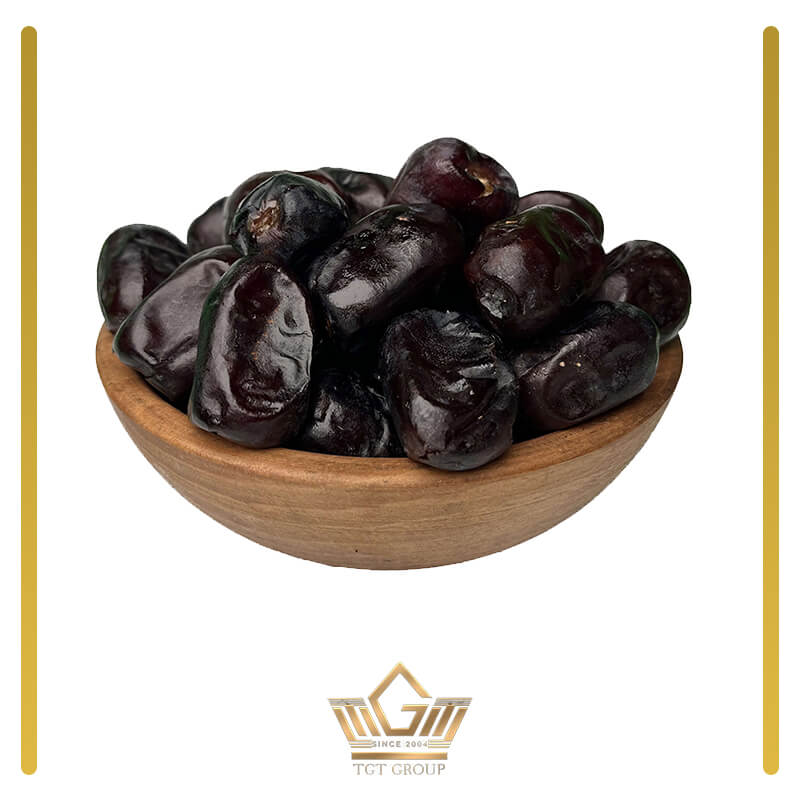
Days are among the oldest grown fruits worldwide, with evidence going back to ancient Mesopotamia. The day palm, called Phoenix az dactylifera, prospers in arid environments, making it a perfect plant for desert regions. Kurma, especially selections like Medjool, Ajwa, and Mazafati, have become signs of nutrition and friendliness.
The Surge of Borong Kurma
The increase sought after for days has actually transformed the kurma market into a profitable company. The concept of borong kurma refers to the wholesale acquisition of days, allowing retailers and consumers to acquire in mass at discounted prices. This method is especially prominent during Ramadan, where days play a significant role in damaging fasts.
Principal in the Borong Kurma Market
1. Farmers and Producers: Neighborhood farmers cultivate different day ranges, with a concentrate on quality and lasting practices. They often offer their produce to wholesalers, that manage circulation.
2. Dealers: These intermediaries acquisition big amounts of days from farmers and sell them to stores or directly to customers. Dealers typically have actually established partnerships with farmers, making certain a regular supply.
3. Stores: Grocery stores, specialized shops, and online systems are the primary retailers of kurma. They purchase from wholesalers and offer consumers a range of day items.
4. Consumers: The end-users of kurma consist of people, restaurants, and catering solutions. The rising health and wellness awareness has led to increased consumer interest in dates as a healthy and balanced snack alternative.
Elements Influencing the Borong Kurma Market
1. Seasonality: Days have specific gathering seasons, predominantly throughout late summer season to early fall. This seasonality affects supply, prices, and need.
2. Quality and Selection: The market is varied, with different ranges supplying distinct flavors and structures. Costs varieties like Ajwa and Medjool tend to regulate higher rates.
3. Wellness Trends: With a raising concentrate on health and wellness and health, days are getting appeal as a natural sweetener and nutritious snack. This fad drives demand in both wholesale and retail markets.
4. Social Significance: Days hold cultural value, specifically during Ramadan. The need spikes throughout this period, making borong kurma an important organization for several dealers.
Obstacles in the Borong Kurma Market
1. Competition: The expanding popularity of dates has led to enhanced competition among wholesalers. Kurma Borong and rates is necessary for success.
2. Supply Chain Issues: Dealers have to navigate intricate supply chains, including logistics, storage, and circulation difficulties. Ensuring the quality and quality of days during transport is crucial.
3. More hints : Prices can vary based on supply, demand, and economic conditions. https://kurmaborongboatink6.bravejournal.net/the-economic-impact-of-borong-kurma-sustaining-local-neighborhoods need to adapt to these adjustments to remain successful.
4. Consumer Preferences: Transforming consumer preferences and dietary fads can influence the marketplace. Wholesalers need to remain notified and adapt their offerings appropriately.
Conclusion
Borong kurma is an essential component of the date market, attaching manufacturers with customers. As the need for dates remains to rise, recognizing the complexities of this market becomes significantly crucial for stakeholders. By dealing with obstacles and capitalizing on opportunities, dealers can prosper in this vibrant market.