

The day sector, particularly borong kurma, has considerable financial effects for local communities, especially in date-producing regions. This article discovers how the wholesale date market supports neighborhood economies, develops work, and fosters lasting farming techniques.
https://borongkurma.com.my of Date Farming in Regional Economies
1. Employment Opportunities: Day farming provides work for hundreds of employees, from planting and gathering to product packaging and distribution. In rural areas, this industry is typically a key resource of employment.
2. Earnings Generation: Farmers offering their fruit and vegetables to wholesalers gain from a stable earnings, which supports neighborhood economic situations and households.
3. Neighborhood Organizations: The need for kurma promotes the growth of related businesses, consisting of product packaging firms, transportation services, and retail electrical outlets.
4. Export Opportunities: Nations that create top quality days can profit from export markets, producing foreign exchange and enhancing the nationwide economic climate.
Borong Kurma and Agricultural Sustainability
1. Standard Farming Practices: Numerous day farmers use conventional farming methods that promote sustainability, making certain that their techniques are eco friendly.
2. Chemical-free farming: With the growing consumer preference for natural items, many date farmers are moving towards organic techniques, improving the marketplace worth of their dates.
3. Water Conservation: Date palms are well-adapted to arid atmospheres, requiring less water than many other plants. This adaptability assists save water sources in regions encountering scarcity.
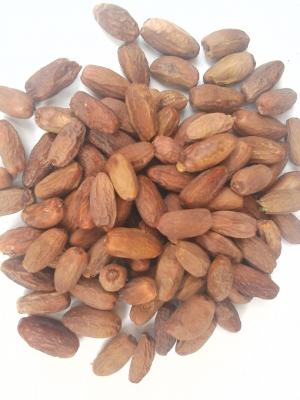
4. Biodiversity: The growing of day palms contributes to agricultural biodiversity, supporting communities and local wild animals.
Difficulties Encountered by Neighborhood Neighborhoods
1. Environment Adjustment: Rising temperature levels and altering precipitation patterns can affect date manufacturing, affecting local farmers and economic climates.
2. Market Fluctuations: Rates for days can rise and fall based upon worldwide supply and need, impacting farmers' revenue and financial security.
3. Competitors: The expanding popularity of dates has actually brought about boosted competition on the market, which can test local farmers to keep their market share.
4. Accessibility to Resources: Small-scale farmers may have problem with access to sources such as water, land, and financing, impeding their ability to complete in the wholesale market.
Strategies for Economic Advancement
1. Cooperatives: Developing cooperatives allows small-scale farmers to pool resources, share expertise, and gain access to bigger markets jointly.
2. Training and Education And Learning: Giving training in lasting farming methods and organization management can empower neighborhood farmers to enhance their yields and profitability.
3. Accessibility to Financing: Financial backing with fundings and grants can aid farmers spend in their operations, improving manufacturing performance and market gain access to.
4. Market Research Study: Comprehending market patterns and consumer choices can assist farmers and wholesalers make notified choices, improving their competitiveness.
Conclusion
The borong kurma market plays a crucial duty in supporting regional economies and advertising sustainable farming methods. By recognizing the economic impact of this market, stakeholders can interact to resolve challenges and create a flourishing future for date farming neighborhoods.